Someone asks for your Bitcoin wallet address so they can send you Bitcoin, and suddenly you realize you don’t even know where to find it.
The good news is that getting a Bitcoin wallet address takes less than five minutes. The bigger challenge is choosing a wallet provider that’s safe, easy to use, and won’t give you problems later.
In this guide, I’ll show you how to get a Bitcoin wallet address. You’ll also learn where to find it and which options beginners should use to avoid common mistakes.
What Is a Bitcoin Wallet Address?
A Bitcoin wallet address is a unique code that shows where your Bitcoin should be sent. It’s kind of like a bank account number for receiving money. If you want to receive Bitcoin, you need a wallet address first.
When someone sends you Bitcoin, they use your wallet address. Wallet addresses come in different lengths and formats, but they all do the same job.
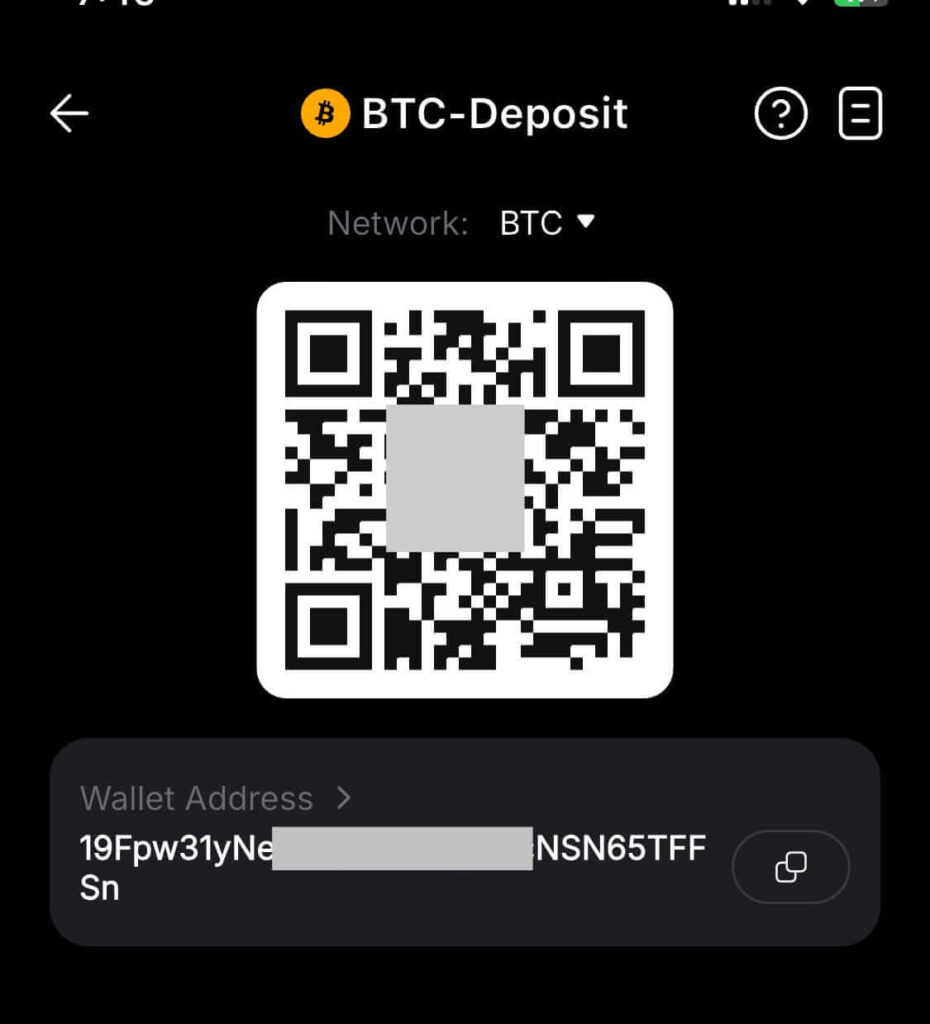
Most wallets also show a QR code for your wallet address, so people can scan it instead of typing or copying it.
Below is an example of a Bitcoin wallet address.
Best Ways to Get a Bitcoin Wallet Address
There are a few different ways to get a Bitcoin wallet address.
1. Crypto Exchange
A crypto exchange is one of the easiest ways to get a Bitcoin wallet address. Once you sign up, open the Bitcoin deposit section and you’ll see your wallet address right away. It’s really simple, so you don’t need any technical skills. The only downside is that you’re trusting the platform to keep your funds safe. For beginners, it’s one of the fastest ways to get a Bitcoin wallet address. If you’re new to crypto, a trusted exchange is usually the simplest place to start. It lets you receive, store, buy, sell, and convert crypto in one account.
2. Mobile Crypto Wallet
A mobile crypto wallet is an app on your phone that lets you create your own wallet address. Once you set it up, you’ll get a receiving Bitcoin address you can use whenever you need it. With this option, you’re fully in control of your crypto. Still, it also comes with more responsibility because you have to keep your recovery phrase safe. Lose it, and you lose access to your wallet permanently. Because of that responsibility, it’s best for people who already understand crypto security and can manage it themselves. It’s a good choice if you want more control than a crypto exchange offers.
3. Hardware Wallet
A hardware wallet is a physical device that stores your crypto offline and lets you create wallet addresses securely. Once you set it up, you can receive Bitcoin with the address generated on the device. It’s highly secure because it stays offline, so hackers and online threats can’t reach it. The downside is that you have to buy it, set it up, and go through a few extra steps to use it. That’s why it’s not great for beginners who want a Bitcoin wallet address. It’s better for experienced users or people holding large amounts of Bitcoin for the long term.
Each method gives you a Bitcoin wallet address, but most beginners start with a crypto exchange.
How to Get a Bitcoin Wallet Address
Getting a Bitcoin wallet address only takes a few minutes. Let me show you how to do it so you can start receiving Bitcoin.
1. Choose Your Wallet Provider
To get a Bitcoin wallet address, you first need a wallet provider. You can use a crypto exchange, a mobile wallet, or a hardware wallet. If you’re a beginner, a crypto exchange is usually the easiest option because it takes care of the technical side for you. Most beginners want the fastest and easiest way to get a Bitcoin wallet address. For that reason, I recommend Bybit. Once your account is created, you can generate a wallet address immediately and start receiving Bitcoin.
2. Create an Account
Start by downloading the app or visiting the website to set up an account. If you’re using an exchange, you’ll usually sign up with your email or phone number, set a password, and confirm your identity. Mobile wallets work a bit differently and give you something called a recovery phrase instead. Make sure you don’t lose it, or you could lose access to your wallet. Once you’re all set up, you can log in and find your Bitcoin wallet address.
3. Locate the Receive Button
Open your wallet or exchange and tap Receive, Deposit, or Add Funds. The name might be a little different depending on the platform. Next, pick Bitcoin from the list of coins. If you see a network option, choose Bitcoin (BTC). After that, your Bitcoin wallet address and a QR code will appear.
4. Copy Your Bitcoin Wallet Address
You’ll see your Bitcoin wallet address as a long string of letters and numbers, with a QR code next to it. Use the copy button instead of typing it out so you don’t make mistakes. You can share that address with anyone sending you Bitcoin. You’re all set to receive Bitcoin.
Now, let’s see how to receive Bitcoin with your wallet address.
How to Receive Bitcoin Using Your Wallet Address
Once you have your Bitcoin wallet address, the next step is to use it to receive Bitcoin. Just share your address or QR code with whoever is sending it to you. This is how the network knows where to send your Bitcoin.
The sender then pastes your Bitcoin address or scans the QR code, enters the amount, and sends the transaction using their wallet or exchange.
After that, the Bitcoin network confirms the transaction and sends the Bitcoin to your wallet. Most transactions take about 10 to 60 minutes, but the exact time can vary depending on network conditions.
You can see if the Bitcoin has been received by checking your wallet balance or transaction history. Once the transaction is confirmed and the funds appear in your wallet, you’ve successfully received Bitcoin.
Common Bitcoin Wallet Address Mistakes to Avoid
Even small mistakes can lead to lost funds or failed transactions, so it’s important to know what to avoid.
Getting a Bitcoin Address From Untrusted Platforms
Many beginners think every wallet app or exchange is safe, but that’s not always the case. Some have weak security, and others make it hard to withdraw your money. A few of them are outright scams designed just to take people’s deposits. To stay safe, get your Bitcoin wallet address from trusted wallet providers or reputable exchanges with good reviews.
Sharing the Wrong Crypto Address
Not all crypto addresses are the same. Most wallets support different cryptocurrencies, and each one has its own address. One common mistake is sharing an Ethereum or USDT address when you’re trying to receive Bitcoin. If you use the wrong address, the transaction can fail or you could lose your money. So make sure you’re on the Bitcoin (BTC) receive page before sharing your address.
Not Checking the Wallet Address Before Sharing It
Copying a Bitcoin address isn’t the final step. Many beginners copy, paste, and share it without checking, and that can be risky. Sometimes malware can secretly change the copied address without you even noticing. So after you paste it, take a quick second to check the beginning and end of the address. Since you can’t reverse Bitcoin transactions, this small habit can save you from expensive mistakes.
If you keep these things in mind, you will have no problem with Bitcoin addresses. Next, let’s look at what to do with your Bitcoin once you receive it.
What to Do With Your Bitcoin After Receiving It
Once you receive Bitcoin, there are a few things you can do with it, depending on what you want.
Hold Your Bitcoin
One option is to hold your Bitcoin. This just means keeping it in your wallet or on an exchange instead of selling or trading it. Many people choose this because they believe Bitcoin could be worth more in the future. If you’re planning to hold your Bitcoin for a long time, learning how to store it safely can help you avoid loss or theft.
Send Your Bitcoin
You can send Bitcoin to another wallet whenever you like. People usually do this to buy things, pay for services, send money to friends or family, or move Bitcoin between their own wallets. If you’re ready to send Bitcoin, check out this example showing how to do it safely. Just remember, Bitcoin transfers usually come with a small network fee.
Convert Bitcoin to Another Crypto
If you want a different cryptocurrency, you can convert Bitcoin into coins like Ethereum, USDT, or Solana. Here’s a simple example of how it works. Most exchanges let you do this easily with a convert feature. Many people do this when they want to try other cryptocurrencies.
Sell Your Bitcoin
Selling Bitcoin means cashing it out into your local currency. Depending on your platform and where you live, you may be able to withdraw the money to your bank account. Since Bitcoin prices keep changing, the amount you receive depends on the market price when you sell.
Trade Your Bitcoin
Trading means buying and selling Bitcoin to profit from short-term price movements. If you’re interested in active trading, read my beginner’s guide to getting started with crypto trading. Unlike holding, trading requires watching the market closely and making quick decisions. While it can be profitable, it can also be risky because crypto prices can move very fast.
Getting a wallet address and receiving Bitcoin is the easy part. Knowing what to do next is where most beginners need help. Instead of figuring everything out on your own, get personalized help with wallets, exchanges, security, and what to do next. Book your free crypto coaching session here.
Conclusion
Getting a Bitcoin wallet address only takes a few minutes, but choosing the right wallet provider can save you a lot of frustration later.
If you’re a beginner, the simplest option is to create an account with Bybit or Gate.io and generate your Bitcoin wallet address directly from the platform.
If you would like to understand crypto better, here are a few beginner guides to start with:
- Best Ways to Protect Your Bitcoin From Scammers
- How to Open a Crypto Exchange Account Without Mistakes
- How to Buy Bitcoin and Other Crypto for the First Time
FAQs
And guess what? We’re also on Instagram and Twitter(X). Join us there for even more fun and useful content!
DISCLAIMER:
The information provided here is intended for informational purposes only and should not be solely relied upon for making investment decisions. It does not constitute financial, tax, legal, or accounting advice. Additionally, I strongly recommend only investing money in cryptocurrency that you are comfortable losing.